One day, many years ago, several big-league scouts came to an American Legion baseball game in Middletown, Connecticut, to see a young Stamford, Connecticut, star named Bobby Valentine, who would go on to have a long Major League career as a player and a coach. Another young man was on the opposing team and hadn’t planned on playing that day. John Ellis, not long out of high school, had broken a bone in his hand and was wearing a cast, but he wasn’t about to miss an opportunity to shine.
 John Ellis had the spirit of a battler, in this tintype photo by Sam Dole.Sam Dole
He cut off his cast, thrust his hand into a bucket of ice water and wound up hitting three home runs, including one that cleared Palmer Field and wound up in the Coginchaug River. The New York Yankees signed Ellis shortly after that game as an undrafted free agent. The feat still has his old friend Ron Milardo shaking his head. “Just one tough, tough guy,” says Milardo, who knew Ellis for 35 years.
John Ellis was a fighter and a scrapper, a former headstrong Major League Baseball player who approached the good and bad of life with the same indomitability with which he tackled the disease that eventually took his life.
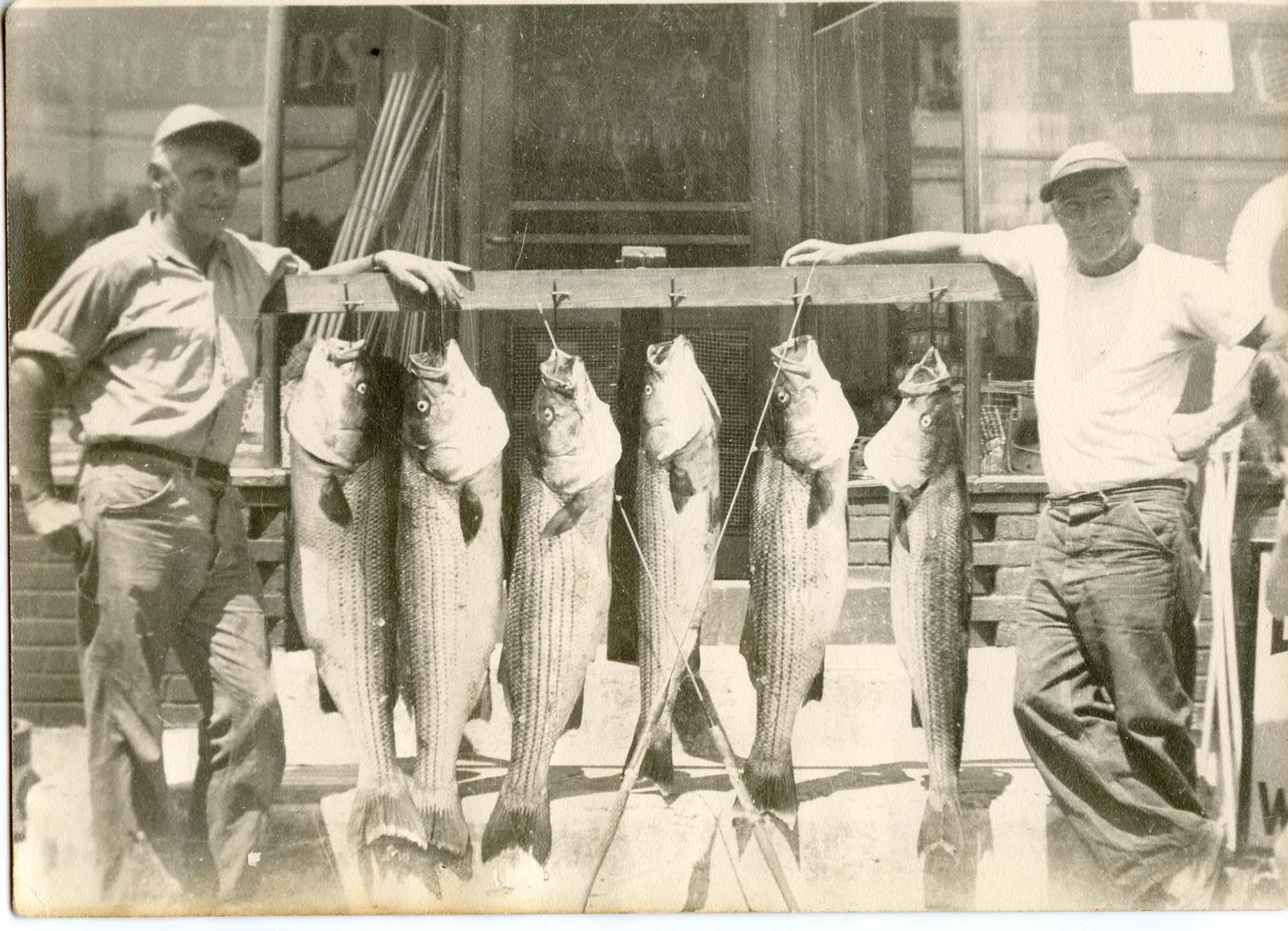
After 13 years with the Yankees, Cleveland Indians and Texas Rangers, Ellis hung up his bat and glove, and started a real estate business in eastern Connecticut. He also became a hard-charging striped bass angler who perfected live-lining menhaden in shallow water, one of the most exciting ways to catch large bass. “He loved fishing for striped bass in less than 10 feet of water,” recalls Milardo, who runs marine salvage business Cooper Capital Specialty Salvage in Old Saybrook, Connecticut. “He never liked fishing deep. He liked fishing live bunker in shallow water. He was an expert at it.”
 Ellis can be seen in the middle of this scrum at home plate.
 I met Ellis through striper fishing. And as much as he enjoyed fishing and hunting, his legacy will be the cause to which he dedicated his life. He established the Connecticut Cancer Foundation in 1987, after the disease had taken a brother, a sister and a sister-in-law before each was 40.
He, too, was diagnosed with Hodgkin disease, when he was 38, and feared the worse. “I was in a dark place. I figured that was the end of it,” Ellis told me in an interview several years ago. “I had no expectation of living. Absolutely none. I was almost fourth-stage Hodgkin’s.”
While in the hospital, he made a promise that he compared to those made by people thinking they are about to die in a plane crash. “I made a deal in the hospital, and it’s one I stuck to,” recalled Ellis, who had a lifelong fear of flying. “And that was that I would help needy families. If you let me live,” he said to the heavens, “I’ll help people the rest of my life — that was my promise — and it’s really been the purpose of my life.”
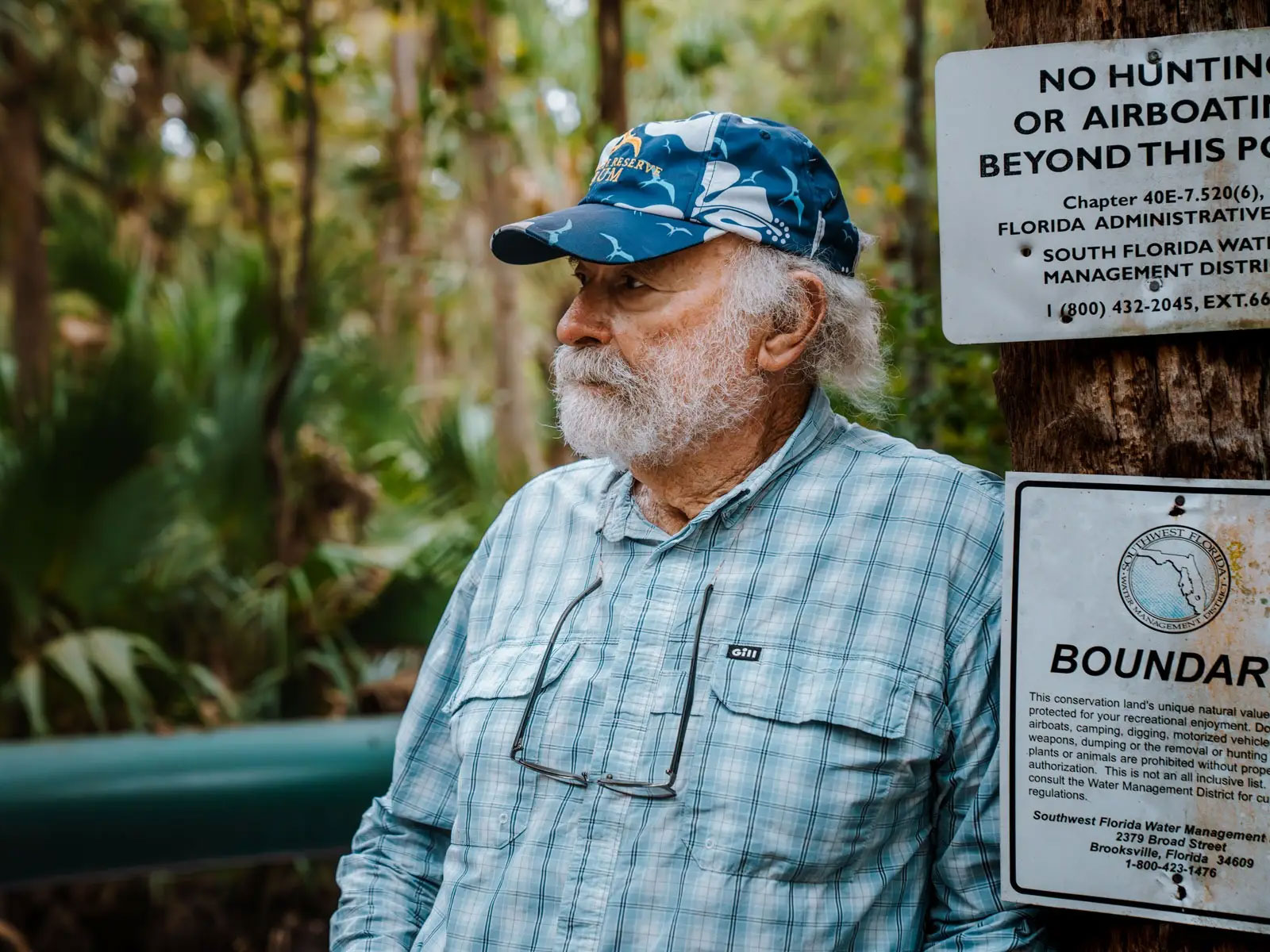
 Ellis and Anglers Journal editor-in-chief Bill Sisson at a photo shoot.Sam Dole
He recovered and the following year started the foundation with his wife, Jane, who remains the president and executive director. An annual highlight has been a celebrity dinner and memorabilia auction attended by numerous athletes that Ellis had either personally known or whom he recruited to the cause. The first dinner included Yankees legends Mickey Mantle, Whitey Ford and Billy Martin.
“Our vision is simple,” Ellis told me. “Give money to the neediest of the needy.” The foundation, which has an endowment of more than $10 million, has donated millions to cancer patients and cancer research.
Ellis died April 5 after a second bout with cancer. He was 73.
 His big-league career lasted 13 years.
 At 6 feet, 2 inches and weighing 225 pounds, Ellis was a gifted, hard-nosed, right-handed hitter. He grew up in New London, Connecticut, where he was a high school phenom nicknamed the “New London Strong Boy” and “Moose.” He played as a first baseman and a catcher, and earned a reputation as a tough ballplayer who didn’t walk away from old-fashioned “dust-ups” (see Ellis in a scrum at home plate). The lifelong friends he made in baseball were quick to respond when he asked them to attend his annual celebrity dinner and auction.
“Why do they come?” Ellis once asked. “Because I was a great Yankee? Because I paid them a lot?” No. “They come because they can trust me.”
I recently asked Milardo to describe his friend’s most distinctive qualities in a single word: “Fearless is definitely one,” he said. “Loyalty is another. He would give you his last penny. Honest. And tremendously devoted to his cause. And crazy. Everyone has a John Ellis story.”
Milardo says he learned much from Ellis. “If you ask anybody what made him roll, they’d tell you he was absolutely fearless,” Milardo says. “Old school. … The one thing about John is that he never wanted to hear ‘no.’ He taught me that it was my duty to ask others to help others. You don’t have to apologize for it, he told me. He had the courage to champion those who didn’t have a champion or someone in their corner. That was his legacy.”
I met up with Ellis a couple of days after I fished with him to round out the interview and obtain more details. I remember scribbling something in my notebook as he posed a question: “You know what the purpose of life is?”
My head was in my notes, and I assumed it was a rhetorical question. But when I looked up, Ellis was staring at me, waiting for an answer. I responded lamely. “It’s complicated,” I said.