
I run a 2021 Chittum Snake Bite. It’s a 100 percent carbon, 18-foot skiff with a five-hatch layout. This was one of the original layouts from the early 2000s when Chittum was trying to come up with the ultimate guide boat, with plenty of storage and a large live well. My first Chittum was the two-hatch layout, but because of the variety of fishing I do, the company offered to bring this one back into production for me and have built a bunch of them since.
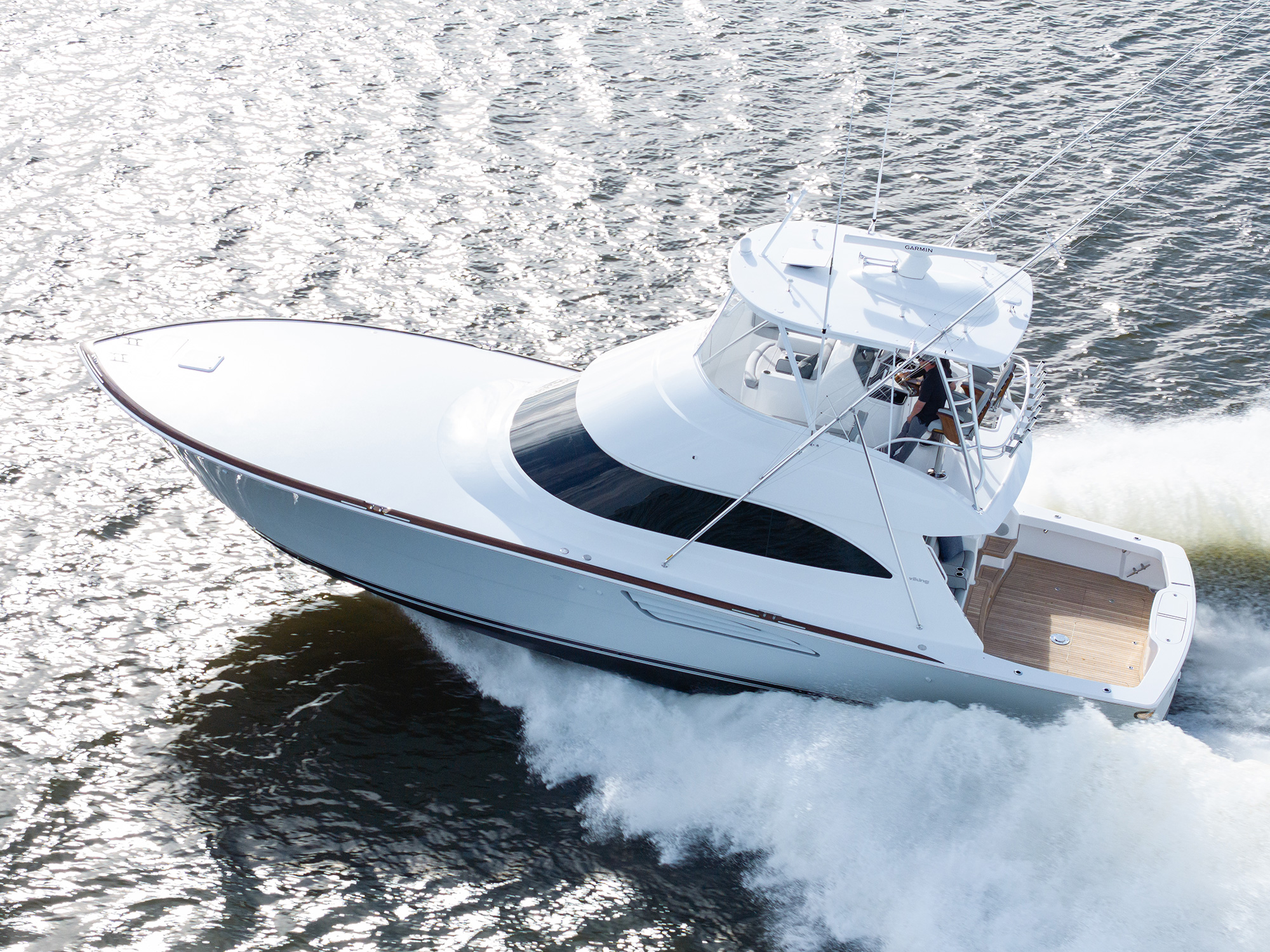
I don’t fish live bait like I used to, but I have a 35-gallon live well behind the helm. I had Chittum install two 1,100-gph, run-dry live well pumps on a bilge manifold system like you would see in a Viking sportfish. If I have a live well pump go bad, I always have a spare ready to go.
The boat is super light; the hull weighs less than 300 pounds before rigging. When the hull came out of the mold, one guy got underneath the bow and another got under the stern, and they did overhead presses to show me how light it was.
This skiff poles amazing. It tracks straight, but it spins when you want to spin. There are a lot of situations where I like to pole into the wind, and it’s very easy to push the bow into a strong gust.
I’ve got bow and stern locations for the trolling motor. I love having the trolling motor on the transom when I’m fly-fishing for tarpon so the fly line doesn’t accidentally foul the prop and break off a fish. It’s also nice having it on the transom when guiding people on conventional tackle to big snook so they can fight fish on the bow without anything getting in the way. It is a little more difficult to steer with it on the transom, but it’s rare that I put it on the bow these days.
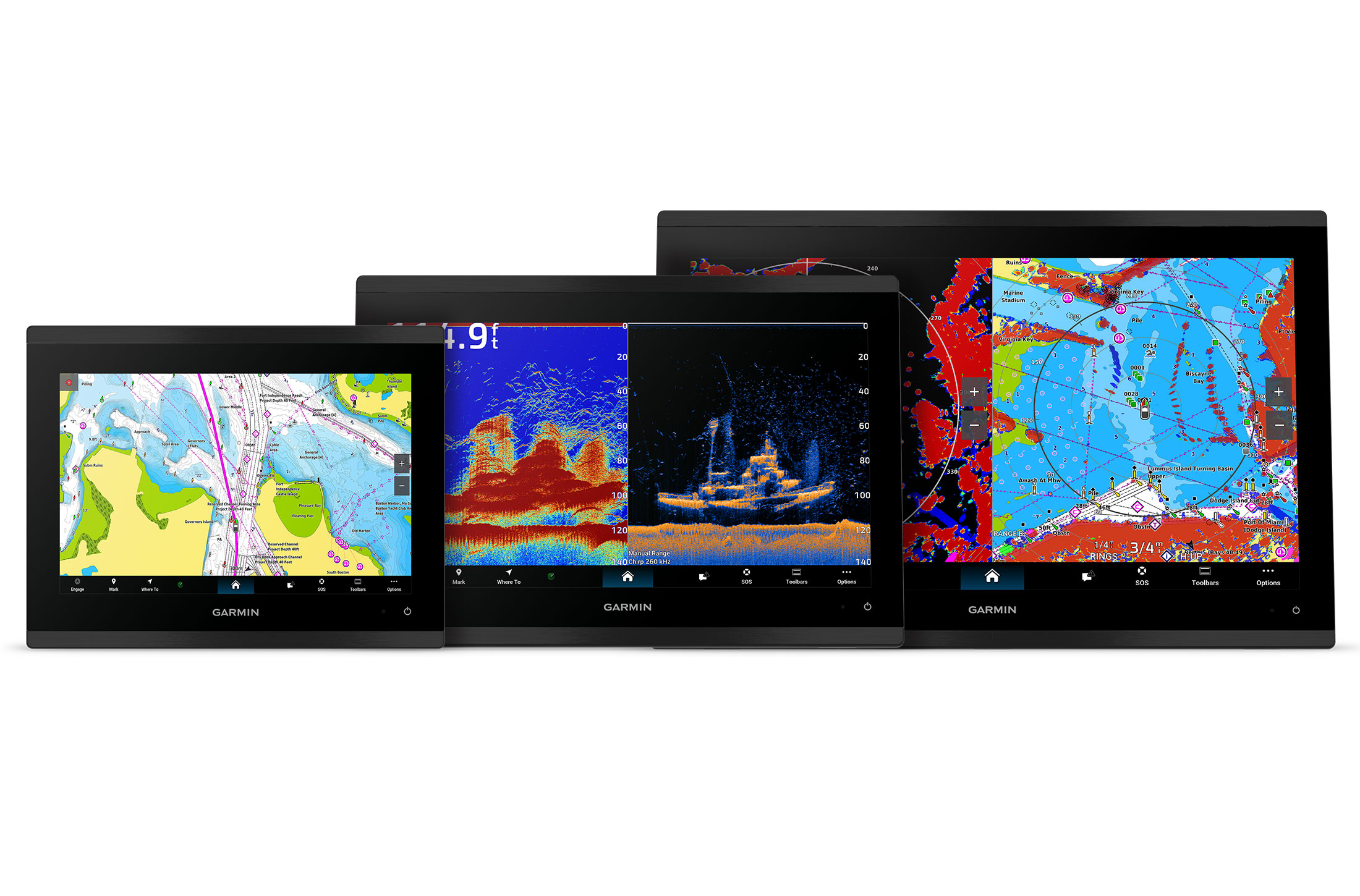
Using side-scan sonar is vital when fishing for snook. I have a 12-inch Simrad NSS Evo3 and a through-hull transducer. If we can sight-fish, that’s fantastic, but when you’re fishing in dirty water or low-light situations, using that side-scan is a game-changer. Some days, the fish just up and leave, and I don’t have to waste time casting, wondering if there are fish around. With the side-scan, I’ll know if the fish are there, and if not, we keep moving until we find them.
My Chittum is so easy to trailer — I think you could trailer it with a Honda Civic — and I move around depending on the time of year. I spend a good bit of time fishing in the ocean, so I have a 5-degree wedge between the 70-hp Yamaha and the transom, which gives me a lot of bow lift. With no trim tabs, I can keep my bow high so I don’t stuff it going down the face of a wave and into the back of another. A lot of people don’t need that, but it’s been a great customization for where and how I fish. It’s a very dry boat; the spray rails do an incredible job knocking down spray.
We comfortably cruise at 30 mph with three large men on board and a full tank of gas. That’s as fast as I need to travel. The fuel tank was changed out. Typically, you’ll have a 25-gallon tank in this model. I went with a 17-gallon tank and had Chittum put a bulkhead up front so if water does sneak past a gasket or something like that, I won’t have salt water around the fuel tank.
These skiffs are not inexpensive, but they’re built to last and have a really high resale value. I’m guiding 200 days a year, but I keep the boat clean and tidy. It looks brand new. I wash it with soap and vinegar, which helps break down the salt. The skiff is also garage-kept.
I have a couple of rules: no shoes and no spray sunblock. I have a pair of Crocs that stay on the boat — they never touch dry land. That cuts down on the dirt and grime, as well as the cleaning time at the end of the day. This boat is set up for me and the styles of fishing I do on the east coast of Florida and the Everglades. It’s pretty much perfect.