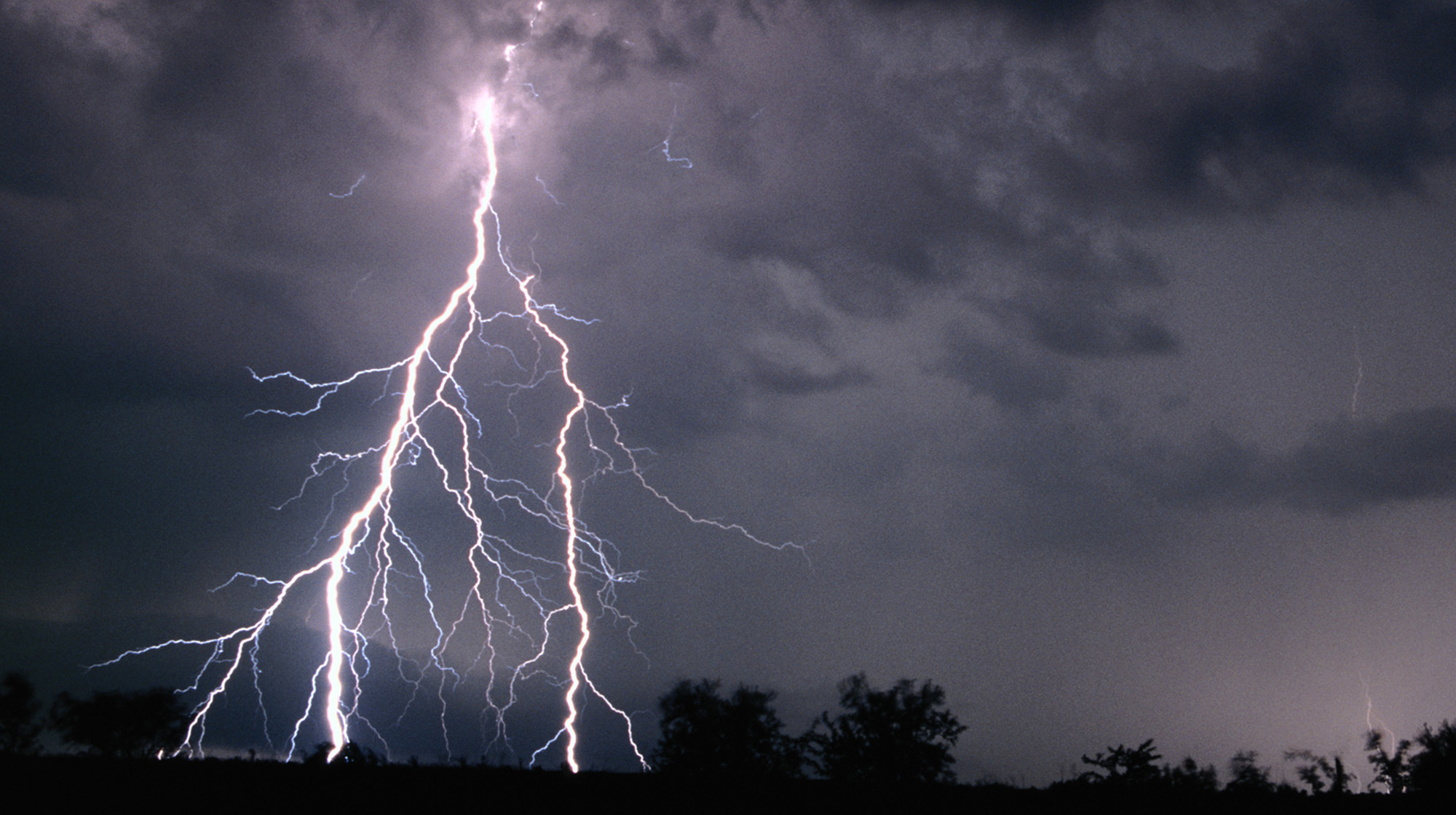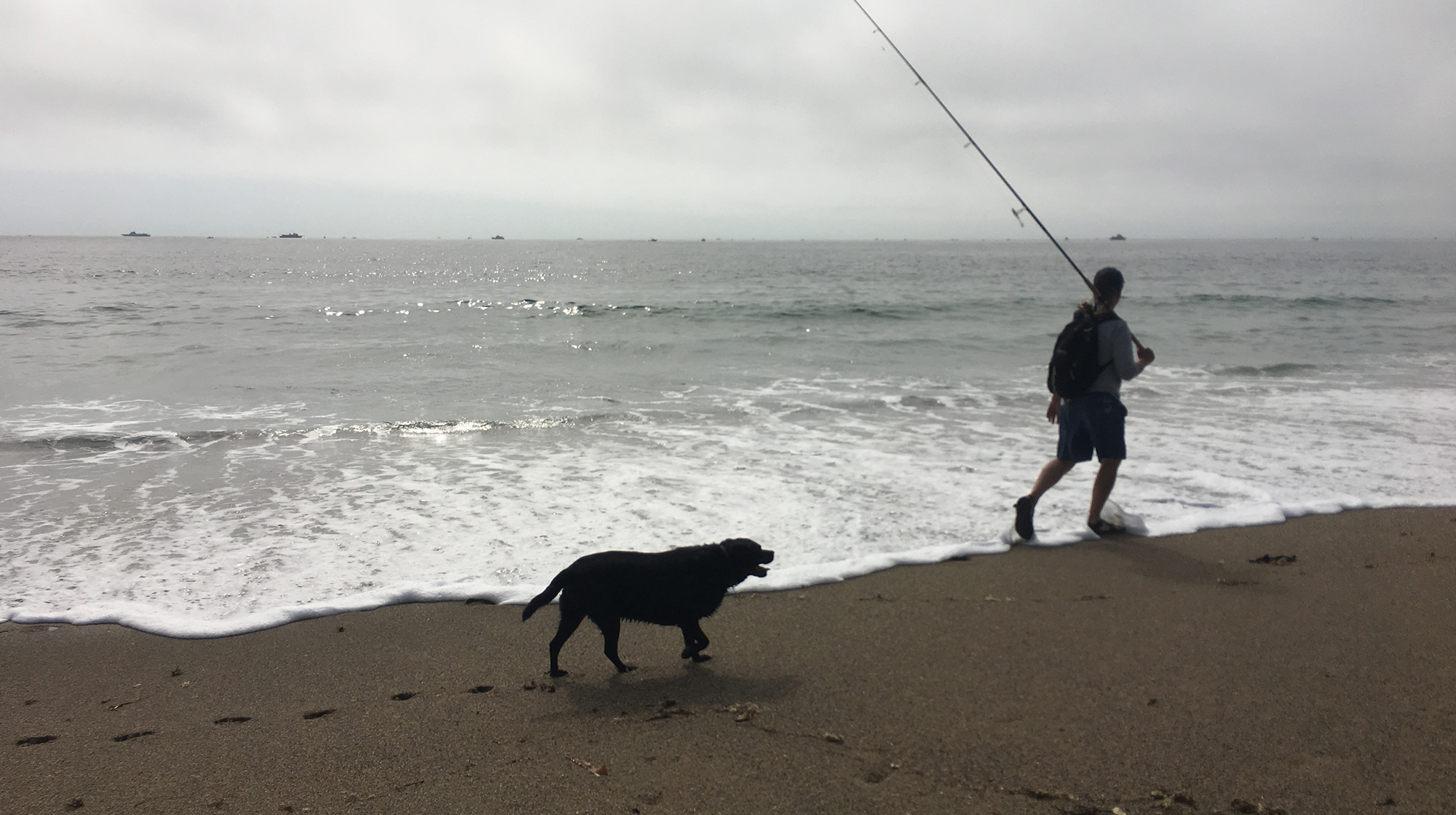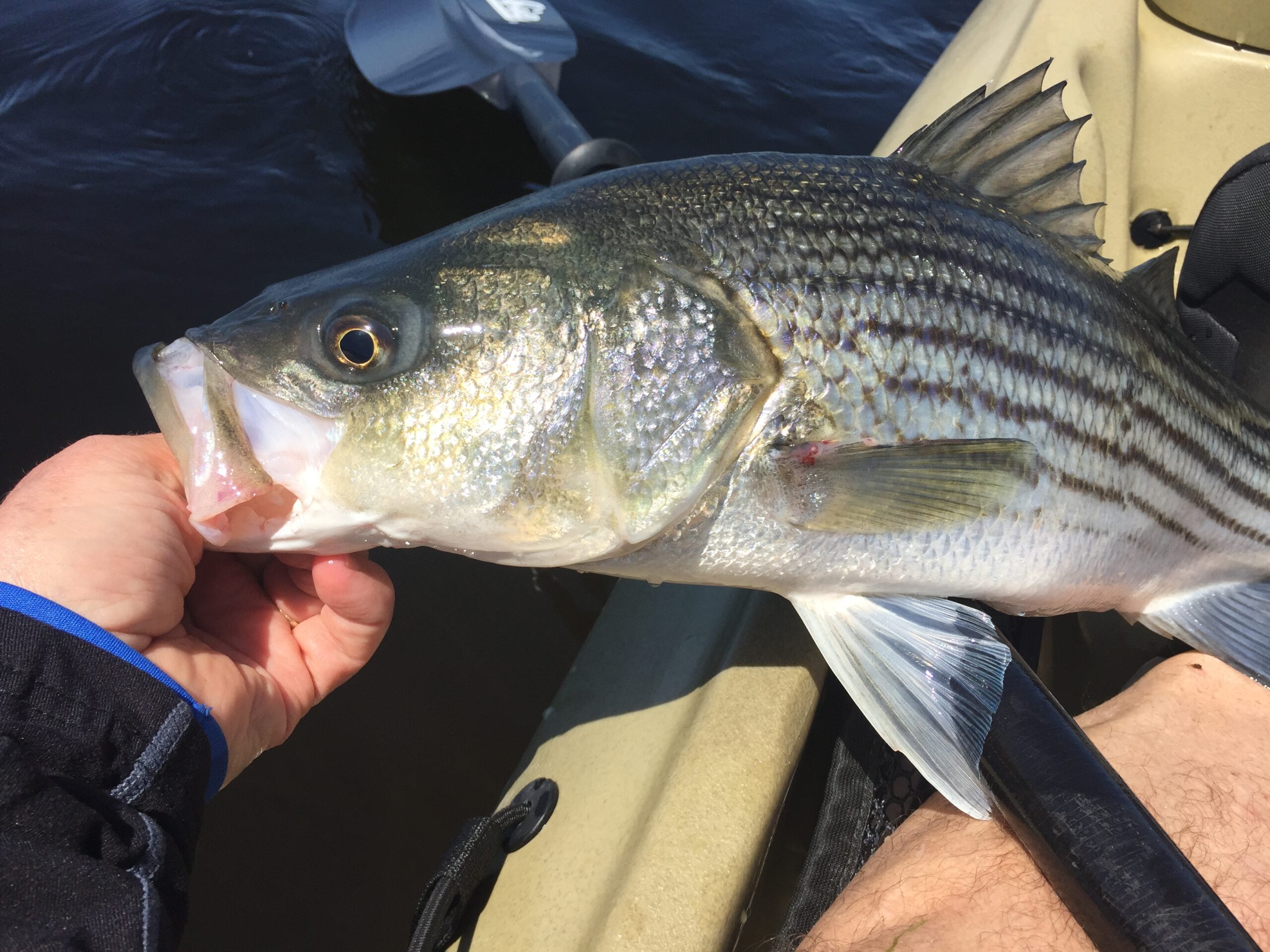
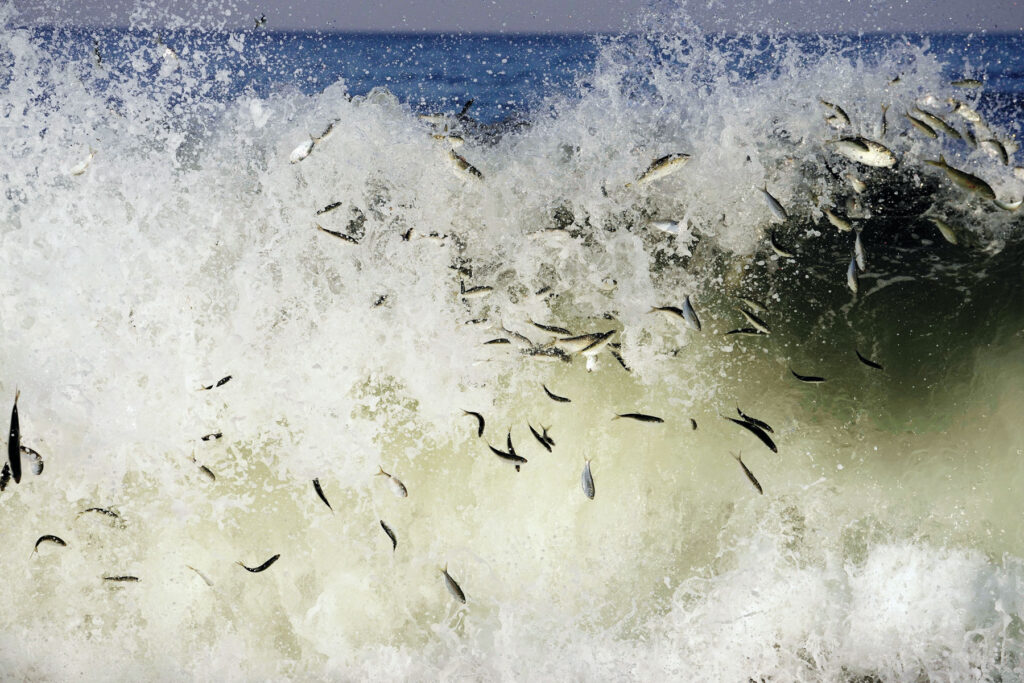
The heartbeat of the Northeast fishery is strongest in the fall, when large migrations are underway, daylight is waning, and anglers try to tap into one those fabled blitzes that must be experienced to fully appreciate.
In the weeks before the equinox, birds, baitfish, the most sought-after gamefish and a host of other critters begin to marshal their strength to sail southward or offshore. That’s when you see early signs of autumn in the changing light on the water, though the calendar still says summer and you’re still happily wet-wading.
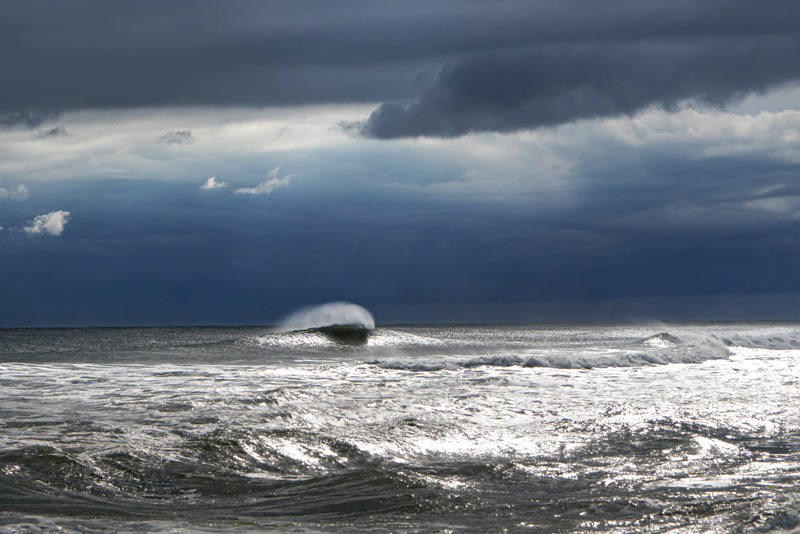
The first weeks of September are the best time to snare a few stripers early, then lean your rod against a beach log and body-surf the crisp, translucent break. The water is still plenty warm. You pick a day with a snappy ground swell, the type spawned by an offshore low, not the mushy wind-waves of summer. A strong swell after dark can knock you off your feet if you catch one square in the chest by surprise.
Daytime blitzes are a riot for the senses. Crisp surf, clean white water, legions of bass, multitudes of terrified peanut bunker and a thousand shrieking gulls create the loveliest mayhem a striper bum can conjure. These frenzies reward those who fish regularly and stay on top of the action week to week as the season progresses. You’ll be much happier if you get into a big daytime bite before your neighbor who fishes three times a year tells you about it.
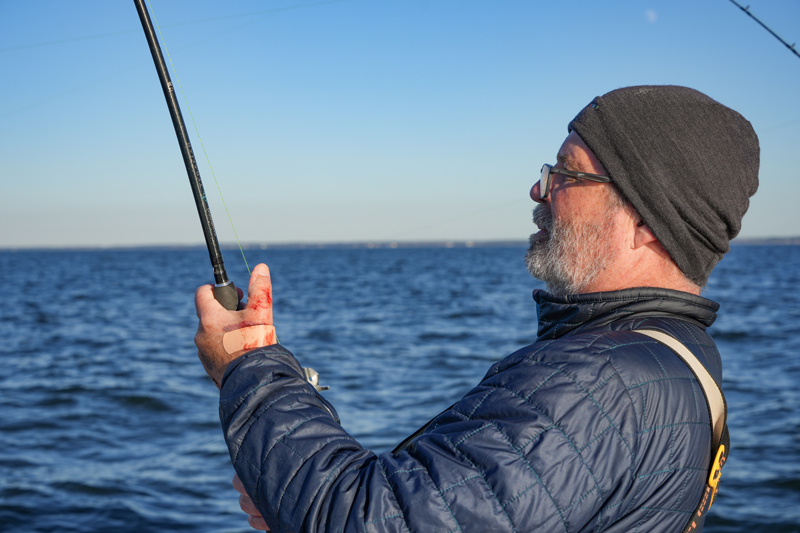
You’ll know a blitz when you are in one. The action is so intense your mouth goes dry. You calm yourself and take it all in. You time your cast so it lands just after the last wave of the set explodes on the bar. That’s when bass and bait create wonderful pandemonium in the white water. You work a weighted, soft-plastic swim bait that matches the hatch. You turn the handle three or four times and set up on a nice fish. If you’re lucky, no one is crowding you. You smile as the striper rips off line and the drag utters its small, mechanical yelps. Then you just gaze at the frenzy, burning it into memory. It’s the promised land for aging striper guys.
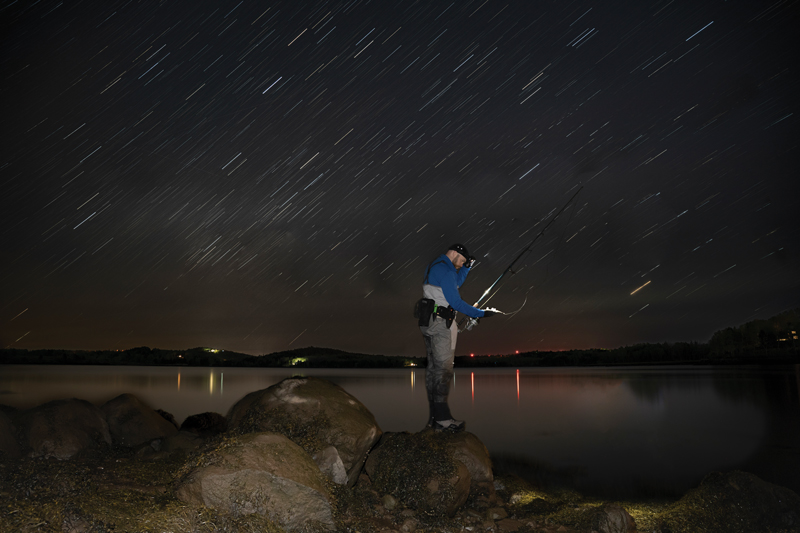
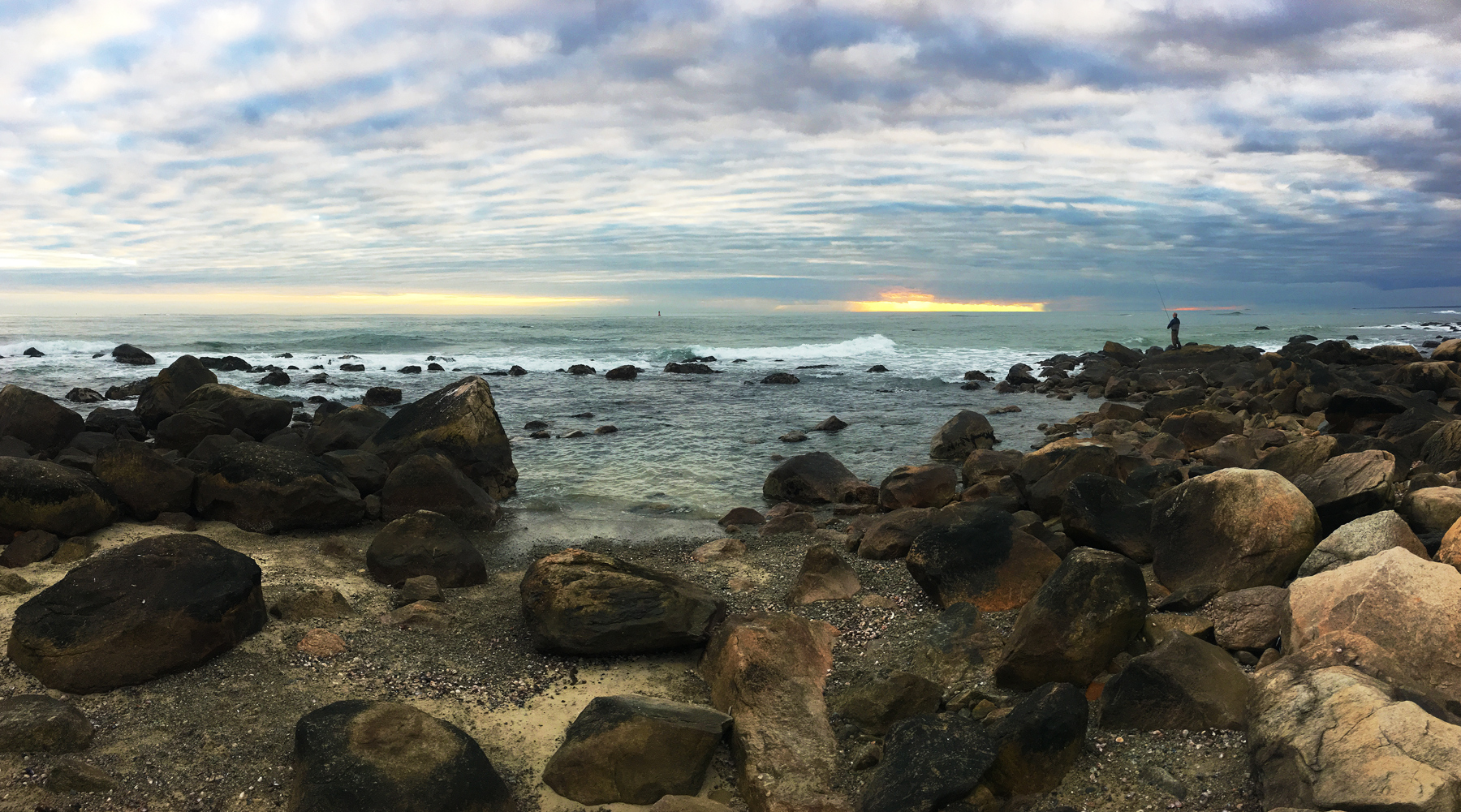
The revelry moves back and forth along 100 yards of beach and a rocky point. The bass will drift beyond casting range, then rush back to thrash the quivering bait stretched along the impact zone. I fished for three hours in the last good bite I caught, stopping only to cut back chafed leaders and retie lures, or to change out a mangled swim bait. Others joined me, but the beach remained uncrowded. Having chased striped bass for 60 years, I realize this is about as good as it’s likely to get for a while.
Autumn light is special. You can almost feel it. A bass or false albacore never looks more golden or green or black or silvery than it does when dripping wet with this light. Some evenings, when I am wet and chilled and the fish are nowhere to be found, the light keeps me out anyway. The low, afternoon rays of autumn are as clear and defined as music or laughter. It is this fleeting beauty that you search for each season in the open spaces where water meets the shore. The light carries a weight, texture and presence unique to the season, and highlights details and textures you might ordinarily overlook.
The late-day sun fashions short-lived rainbows in the spray blowing off wave tops, transforms the wave faces into pale-green windows, and renders in pearly white the foam that rushes up the beach. A block-tin jig resting in my open palm resembles for a moment an old oil painting. The scratched, silver body reflects the rich autumn glow and leaves the red thread and white bucktail glistening.
It’s a joy to be deep into fall.