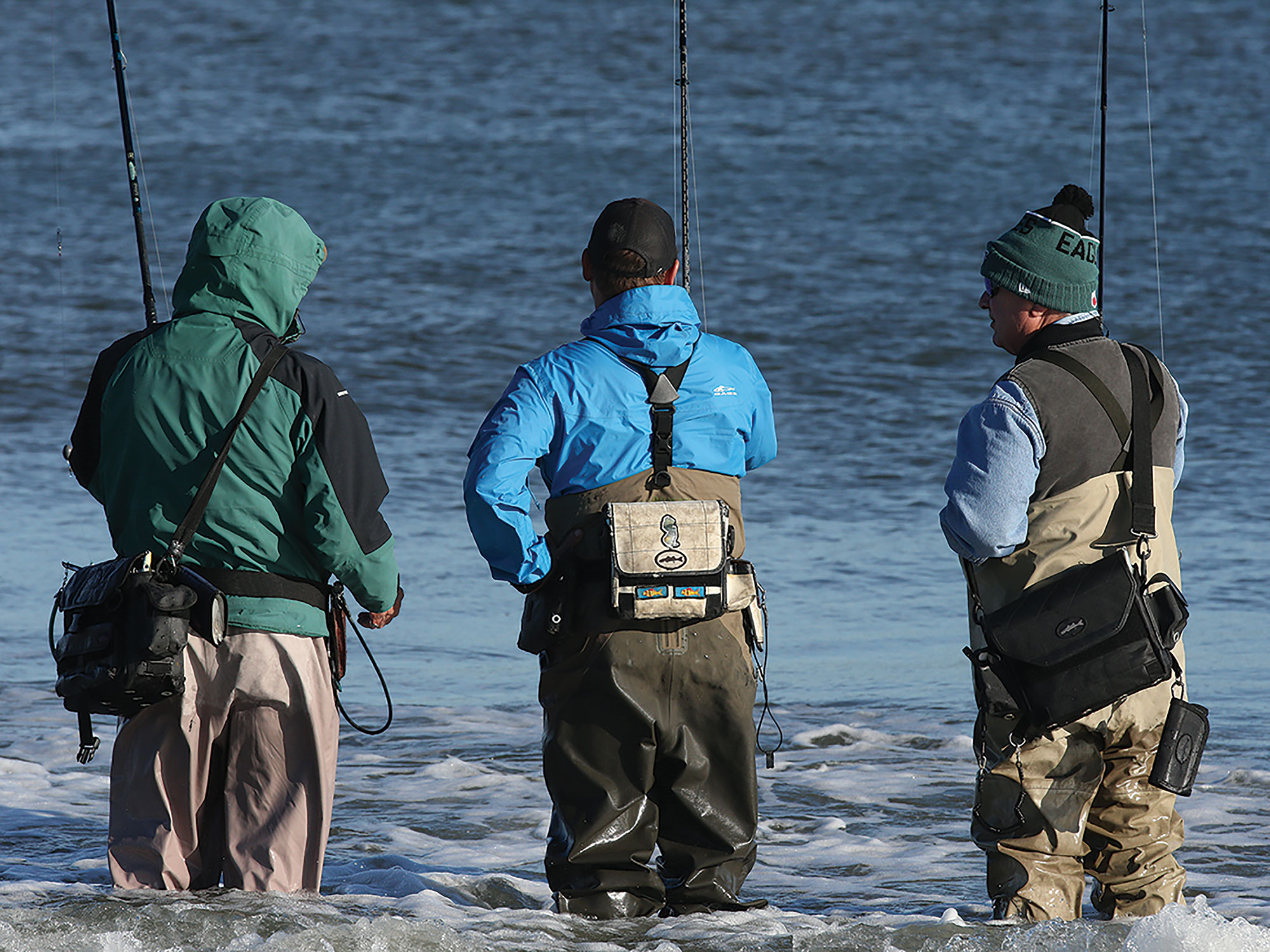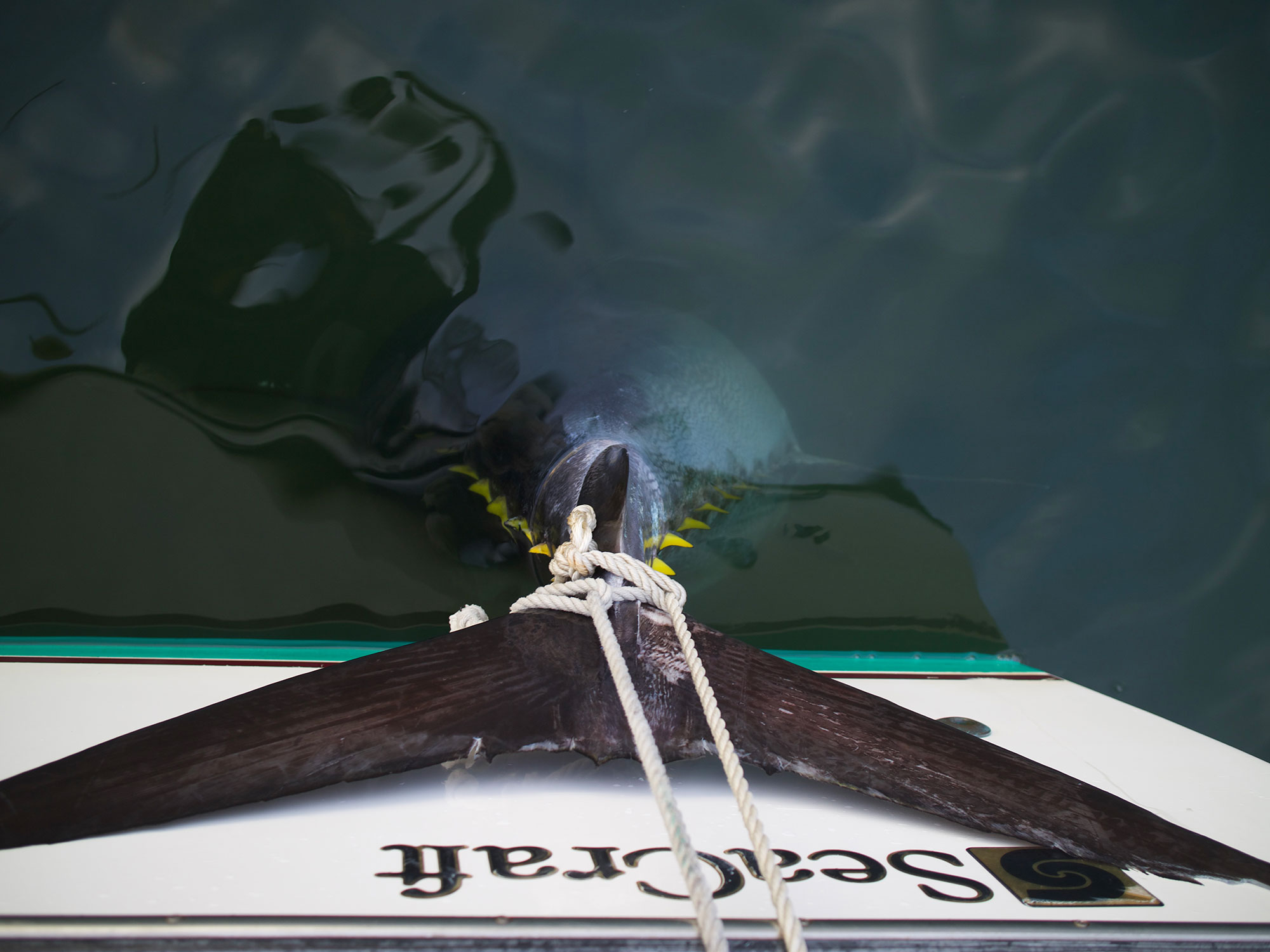
The U.S. Atlantic bluefin population, which stretches from Maine to Texas, continues to build. But instead of expanded access, anglers are facing tighter restrictions in 2025. The problem? The U.S. quota hasn’t kept pace with the growing stock, triggering overages and forcing NOAA to impose new limits and the risk of an early season closure.
That’s why action is needed — and fast.
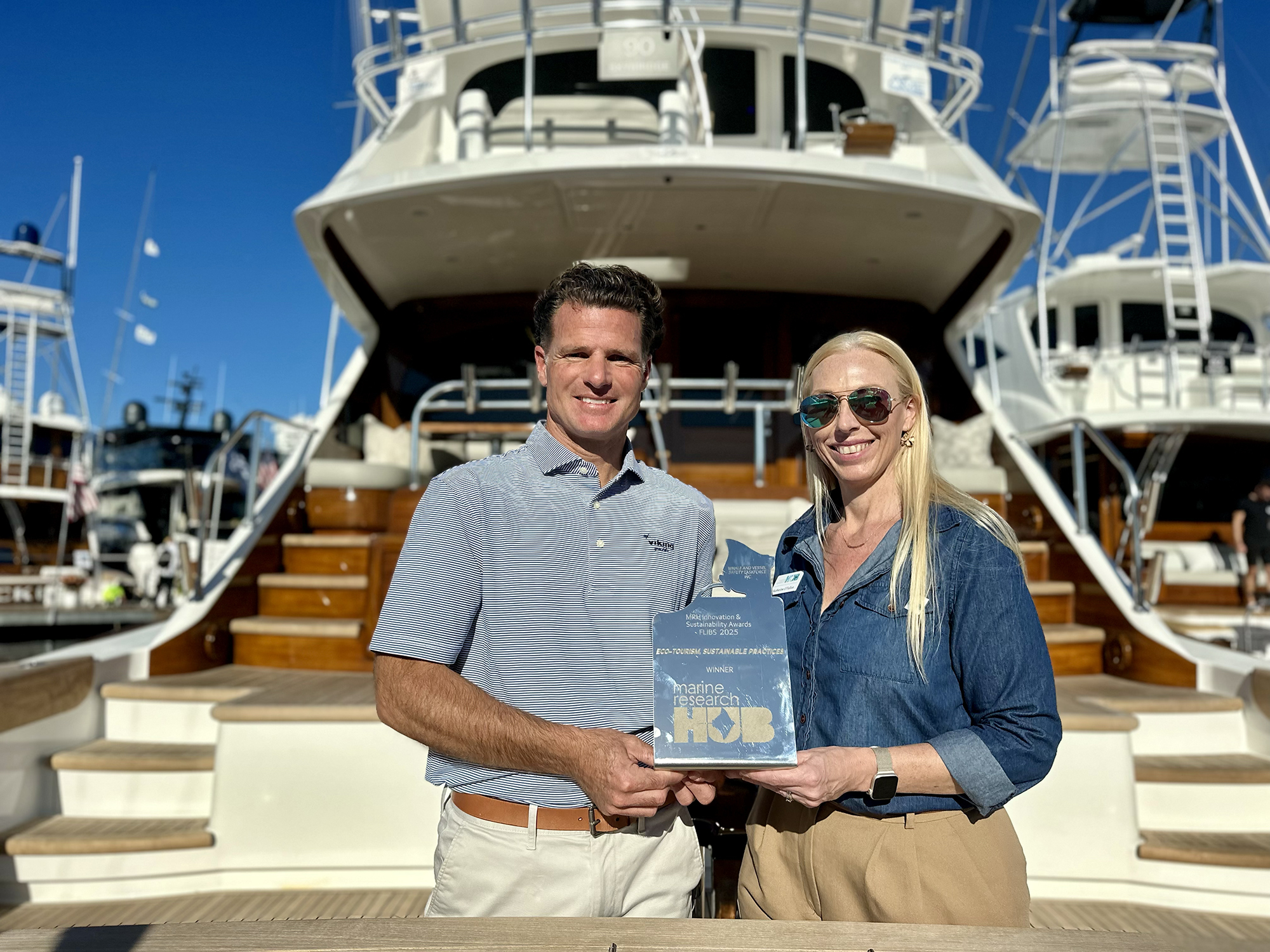
Viking Yachts is stepping up to help address the problem, and the company is asking the sportfishing community to do the same. In partnership with the Pelagic Fisheries Lab at the University of Maine, Viking is backing a scientific initiative that uses the close-kin mark recapture method, a genetic technique that produces faster, more accurate stock estimates. It’s a major advancement that removes many of the limitations from survey methods, and the data will provide more accurate stock estimates to support quotas aligned with today’s bluefin population.
Here’s how anglers can help.
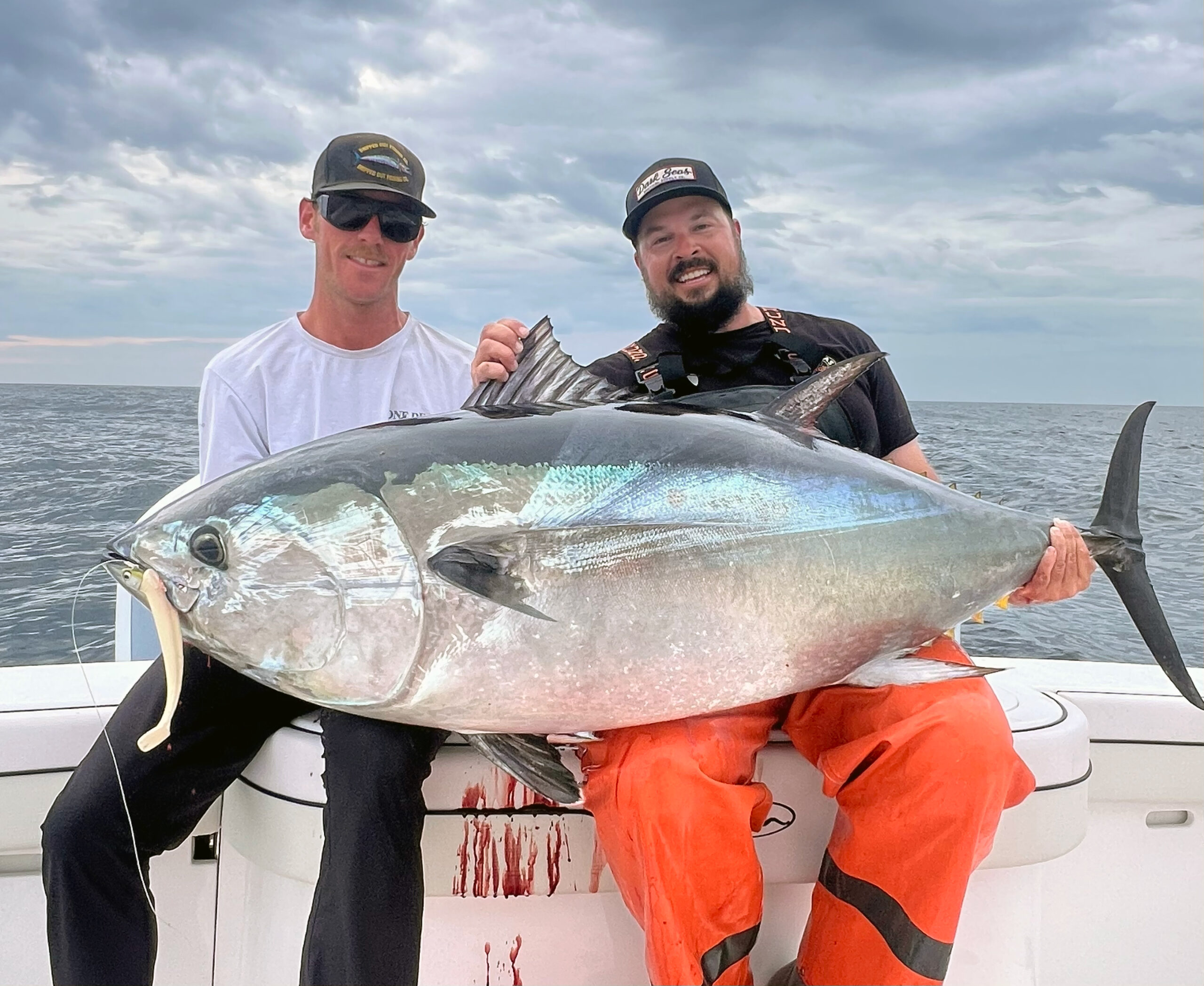
Collect Samples
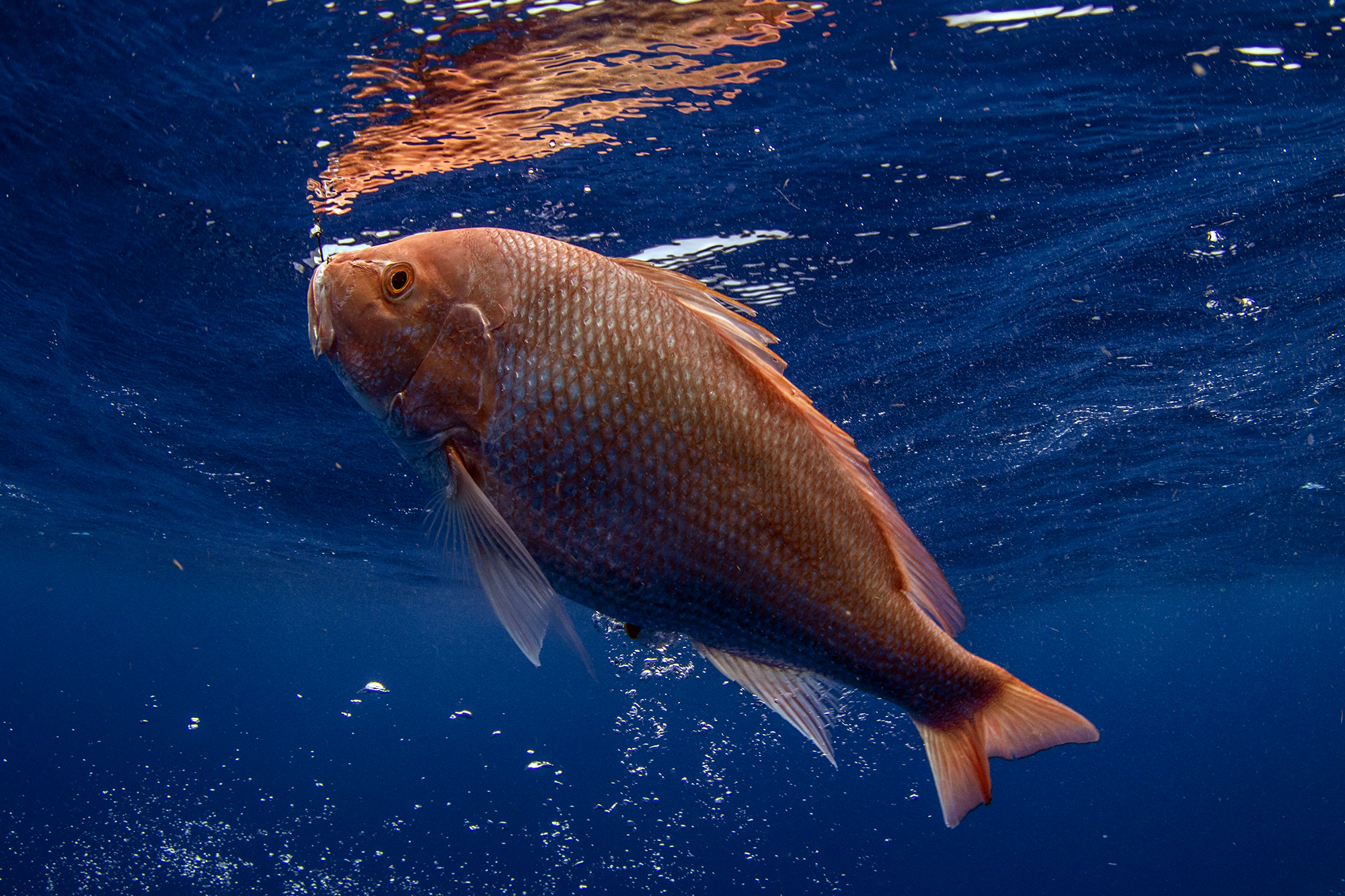
Request a sample kit and take a small, non-lethal fin clip (to obtain a tissue sample) from any kept or discarded bluefin. Each kit includes instructions and 15 sample vials. Viking’s goal is 2,000 samples this year. If you request a kit, the company asks that anglers follow through and return the samples.
Donate
With federal funding paused (maybe indefinitely), industry support is essential. Donations go directly to the University of Maine Foundation to cover the cost of the kits, lab analysis and field work (no overhead/indirect charges). Click here and insert your donation amount to the High Migratory Species Conservation Fund.
Under federal law, from July 1 to Dec. 31, private vessels with an HMS (highly migratory species) angling permit are allowed one bluefin tuna measuring 27 to less than 73 inches per vessel per day/trip. Charter/headboat vessels with HMS permits may keep two per day in that size range, but only one can be 47 inches or longer. The other must be 27 to less than 47 inches. The fines for non-compliance are substantial.
Bluefin tuna helped grow sport fishing and the marine industry, but both are in danger of getting locked into a regulatory spiral where more fish leads to more catch, more overages and more restrictions. “This is how we break the cycle,” said John DePersenaire, Viking director of government affairs and sustainability. “Help us spread the word — share this effort with fellow anglers, captains and industry partners.”
Join Viking and support this critical work to drive improvements to this important fishery. Clip. Donate. Share.